


The Issues We Face
MORE Housing N.O.W.:
University Boulevard Corridor (UBC) Plan:


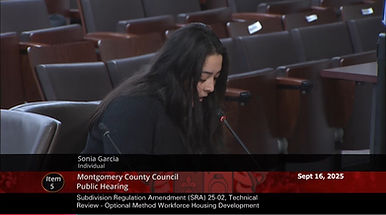
After my federal layoff, I found a flyer on my door from a community organization announcing an event to educate residents about proposed zoning changes under the More Housing N.O.W. legislation. I realized that these changes would dramatically impact my community. Like many of my neighbors, I had never been meaningfully informed about what was being planned. While my own home was not directly impacted by proposed zoning changes, the homes directly behind mine were. These are neighbors I have known my entire life. As I became more involved in volunteering and local organizing and began attending public hearings regularly, I noticed that some council-members used language about our neighborhoods that dismissed longtime residents, referred to our homes as “teardowns,” and suggested that these communities would not remain here over the long term. I realized that decisions were being made behind closed doors that would directly affect families who have lived in these neighborhoods for decades. This level of disregard is deeply disrespectful to the people who call this community home.
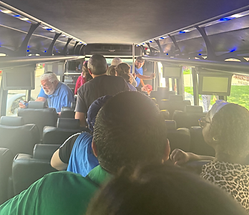
When it came time for the vote, immigrant families, Latino residents, seniors, longtime homeowners, and neighbors from Kemp Mill, Wheaton, and surrounding communities arrived together by bus, many stepping into the County Council building for the first time. While conversations with county staff were civil, residents were met with a visible law enforcement presence. That moment made something painfully clear: when people across our diverse communities speak up to protect their homes and neighborhoods, they are too often treated as an obstacle rather than respected as constituents.


When the UBC plan was before the Council, I helped organize outreach across Connecticut Avenue Estates, Kemp Mill, the University Boulevard Corridor, and the Veirs Mill area. I knocked on doors in extreme heat to distribute flyers, help neighbors understand proposals that could rezone businesses and single-family homes, change traffic patterns, and significantly impact daily life, and encourage residents to attend the only listening session available.
As a result, more than 300 residents attended a UBC listening session in July, where neighbors raised serious concerns about the impacts on congestion, rezoning of homes and businesses, displacement, and the lack of meaningful engagement with single-family homeowners. During subsequent UBC work sessions, planning staff acknowledged that outreach efforts had not reached any of the single-family homeowners whose properties were being upzoned, even as public statements continued to assert that no one would be displaced.

Bus Rapid Transit (BRT)
I continue to work with residents along the Veirs Mill corridor who are receiving property acquisition letters related to the Bus Rapid Transit (BRT) project. Many of these homeowners have lived in their homes for 20 years or more and had never heard about the BRT project until those letters arrived. Many of our neighbors along Veirs Mill represent a diverse population, including families with limited English proficiency who are being overwhelmed by complex information packets and sudden notices. Following residents’ outcry at the UBC listening session, and late in the process, the District 6 councilmember arranged a meeting between the Maryland Department of Transportation and affected residents. At that meeting, neighbors voiced their concerns about the lack of outreach, the sudden notices, and their continued distrust in a process that left them feeling excluded from decisions affecting their homes.
Witnessing gaps in transparency, outreach, and accountability across both the University Boulevard Corridor rezoning and the Veirs Mill BRT process made it clear to me that our communities need representation that listens first, communicates honestly, and puts residents at the center of decision-making. I recognize that many residents are working multiple jobs, caring for families, or managing responsibilities that make it impossible to attend meeting after meeting, which is why they deserve a representative who will proactively look out for them, speak up on their behalf, and ensure their voices are included whether or not they can be in the room.
These experiences also show that additional plans are coming our way, and they must be grounded in meaningful outreach and transparency from the start. We have seen how residents who have lived in their homes for decades were not truly consulted and are now facing significant impacts, reinforcing the need to ask hard questions about how outreach is conducted and who is included. As new studies like the Glenmont Corridor Plan coming soon, we must keep neighbors informed, hold decision-makers accountable, and ensure policies reflect the real lives of the people who call our community home.
I am running to be that councilmember- who listens early, communicates clearly, and ensures residents have a seat at the table before decisions are made.
Donate
Sonia Garcia for County Council envisions a future where every individual in our county has the opportunity to thrive and succeed. Real change starts with community. Your donation helps us expand outreach, amplify residents’ voices, and build a campaign that puts people before politics. Join us in creating a more transparent and inclusive future for District 6.
Thank You!